| At Stonyhurst Spring County Fair 6 & 7 April 2013 |
8th April 2013
I had a wonderful time at the Stonyhurst Spring Country Fair at Stonyhurst College near Clitheroe at the weekend. It was great to have a weekend away in lovely surroundings, excellent food and accommodation, and even better company! OK, so sales over the course of the weekend weren't great for me, but I still felt that the weekend as a whole was a great success, both personally and professionally.
I've been reflecting on my approach to craft fairs and events, particularly as there has been a definite downward trend in sales in recent months and years. I think anyone selling at such events needs to consider a perspective shift to help them get through this current dip. It's worked for me, and it has made my life a lot easier and happier as a result.
| Stonyhurst College |
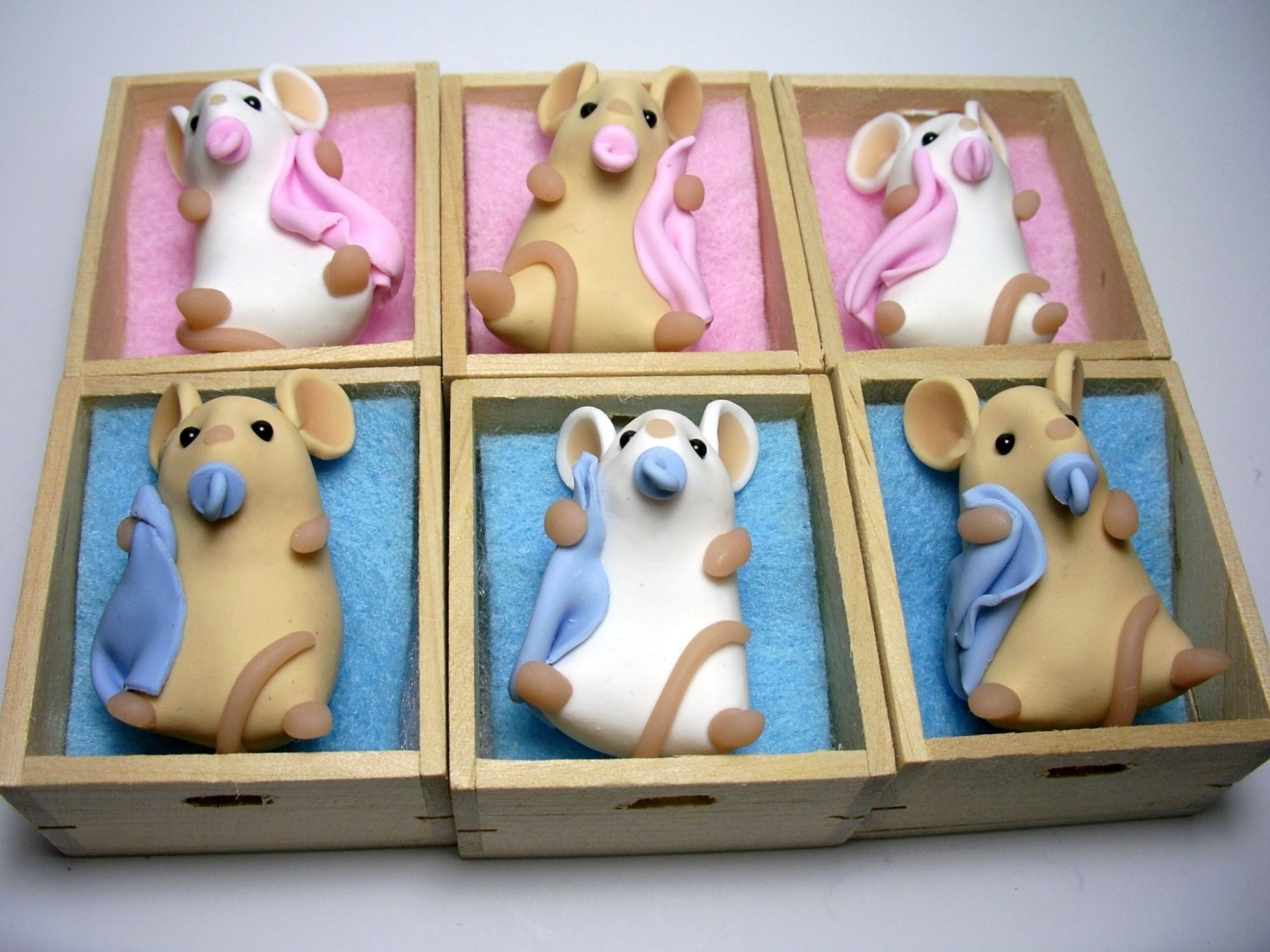
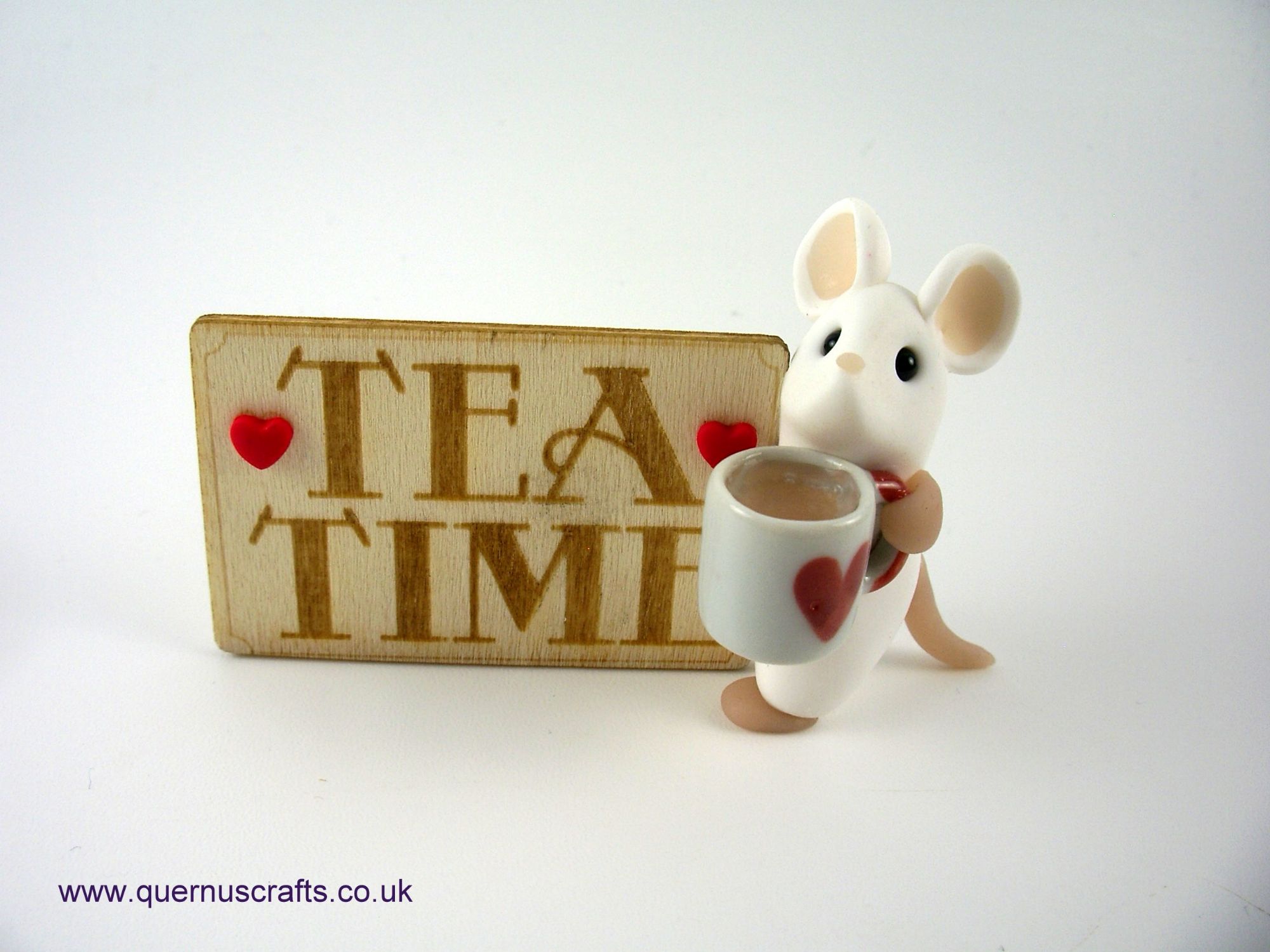
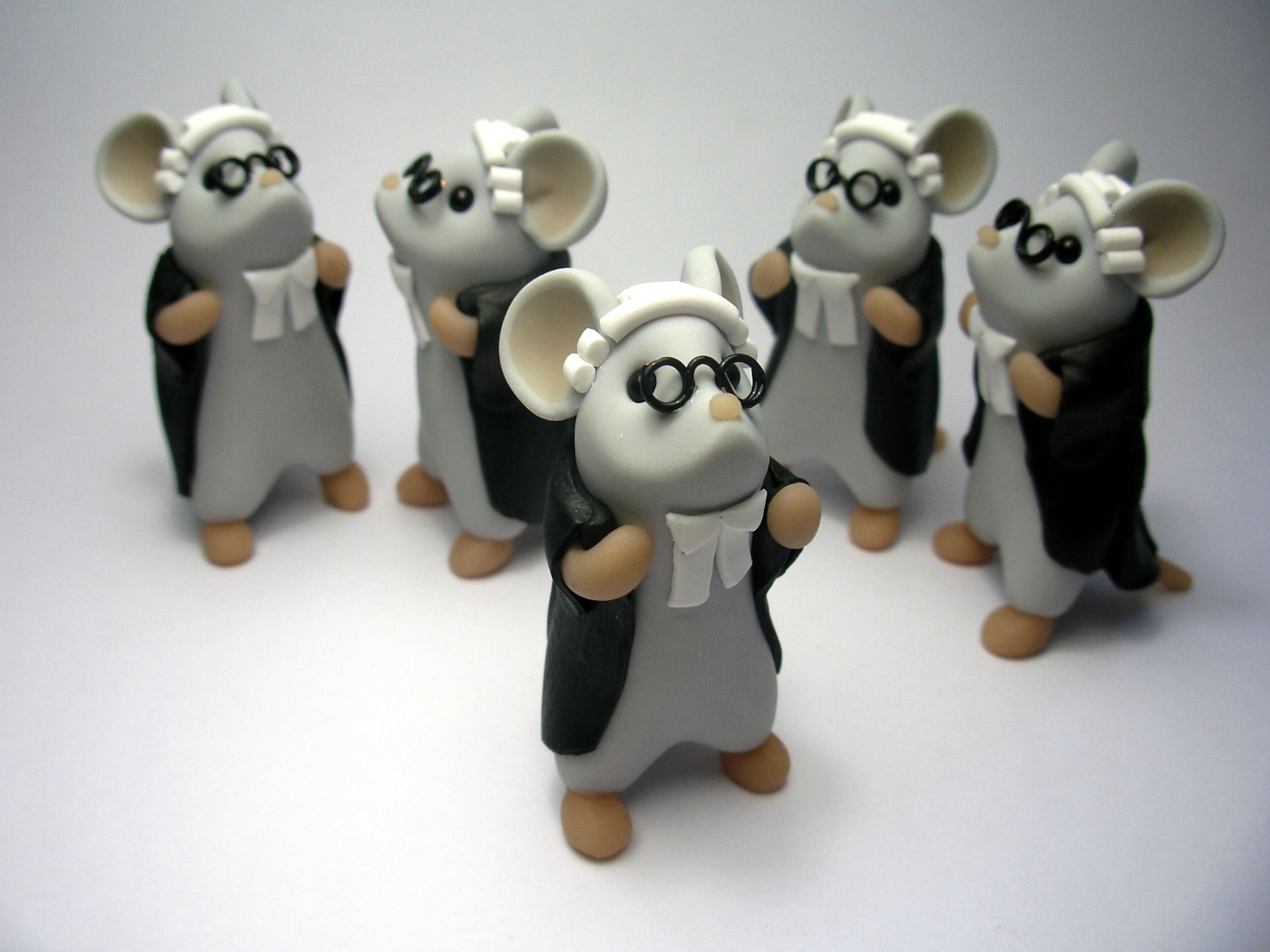
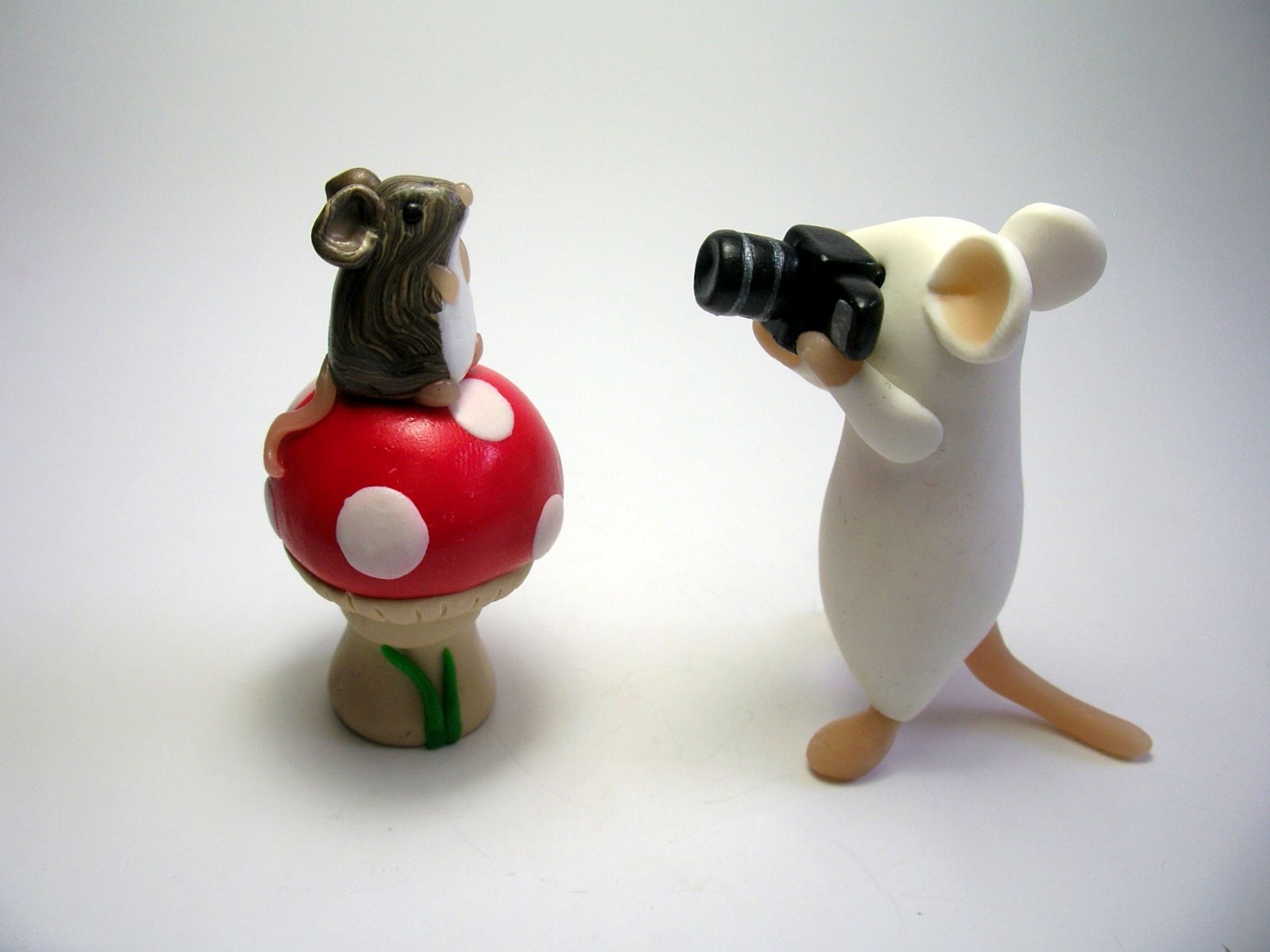
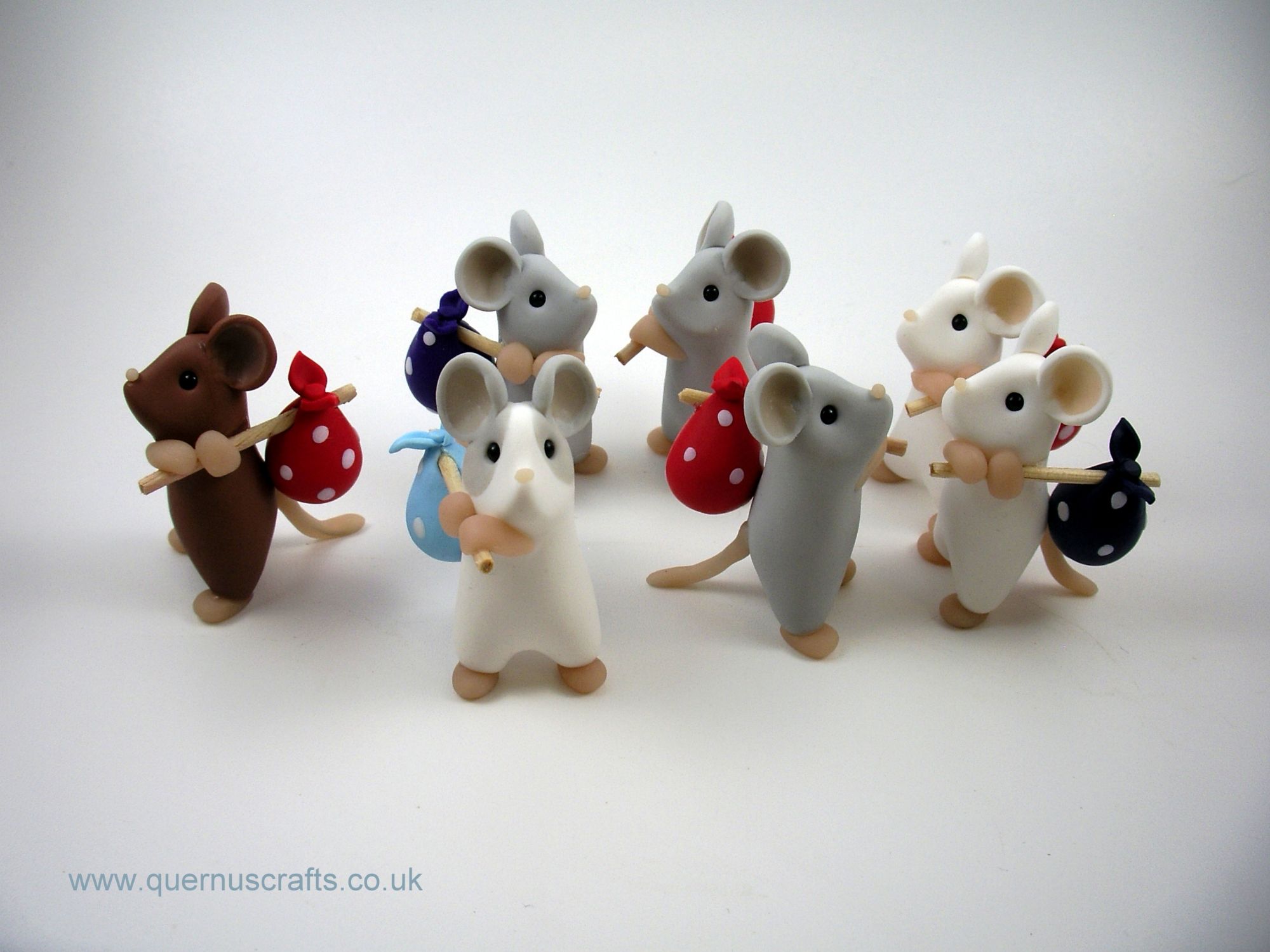
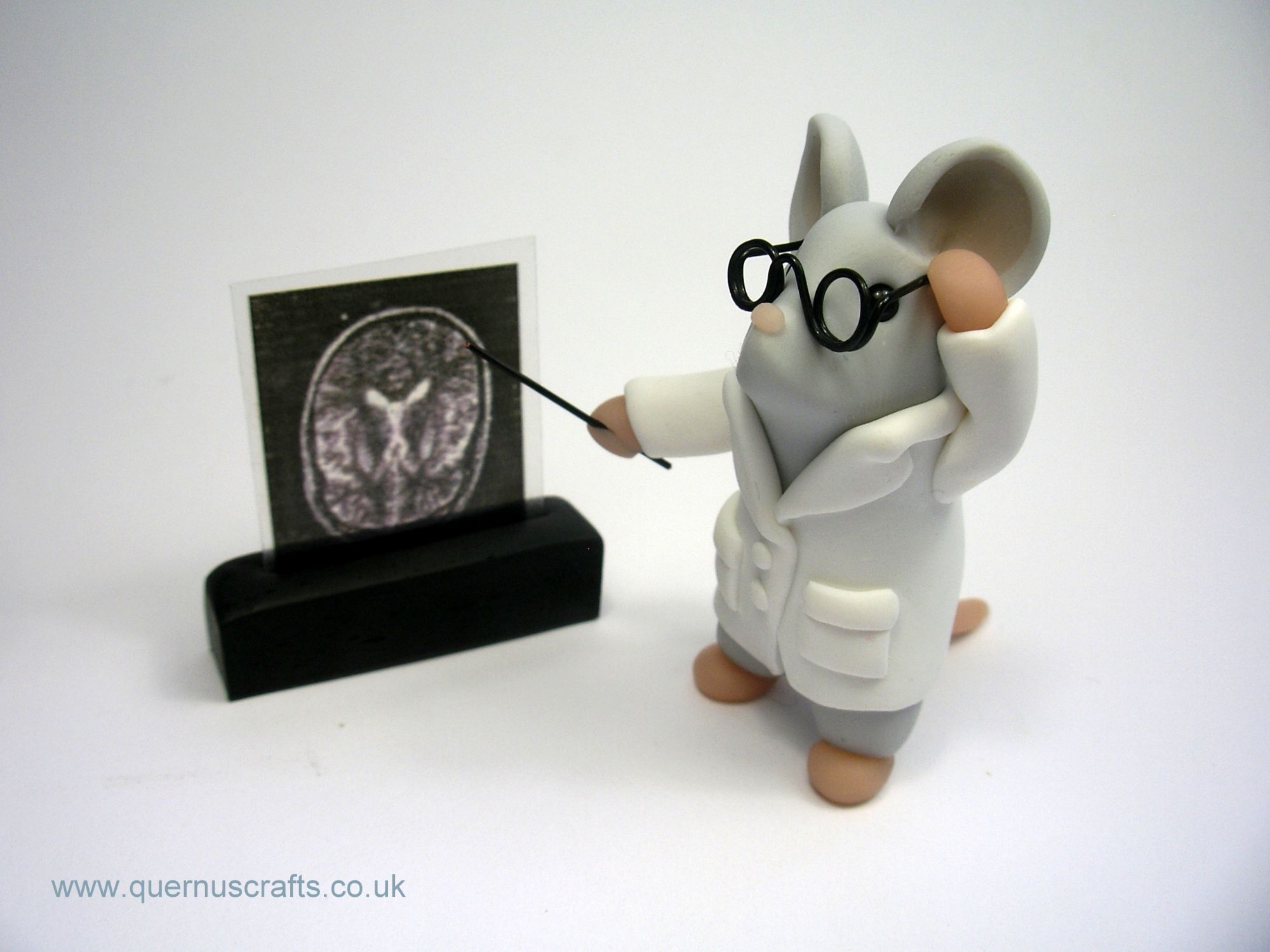
There are still plenty of people going to craft fairs and events, but there are now less keen to spend impulsively on non-essential items, unless they are looking for something specific. However, they are clearly still interested in what's on offer, and my view is that people use these events as ways to find unusual gift ideas for later on in the year. The ease of online buying has facilitated this, and I've lost count of the amount of times I've heard people oohing and aahing over the wee creatures, only to ask if I've got a website which they can go and look at later.
That being said, I do feel that the days of small scale, church-hall-type events are numbered for those serious about building their craft business, but that on the whole, well-organised medium-to-large events, are still very much worth investing in.
Things you can't control
There are lots of things that are outwith your control when it comes to selling at events, and so there's not much point wasting energy worrying about these. Here are a few of them:
- The weather.
- The venue and its facilities.
- How many people come through the door.
- Whether those people buy anything.
- How your stand looks.
- Your expectations.
- Your attitude and behaviour on the day.
Of these three, the first one is the easiest to manage, and virtually everyone I know really makes an effort with their stand and presentation. It's a no brainer - if you do an event, you must present yourself and your work in the best possible light.
![]() |
| Do You Punctuate? at Stonyhurst |
The second and third ones can be a bit trickier. When I first started selling at events in 2009, I went to fairs with the expectation that I would sell a fair bit of my stock, and by and large that expectation was met. But throughout the years that have followed, sales have taken a definite nose dive, and so it's definitely not a foregone conclusion any more.
Marketing vs selling
And so I stopped thinking of events as places to sell, and started thinking of them as opportunities to market and promote my work. I now consider the stand fee for an event as part of my marketing and advertising budget, and not something I have to make back with sales on the day. Think how much advertising you could buy for the cost of a stall fee. And then ask yourself whether having a tiny advert in a magazine or newspaper is likely to have the same impact as being able to speak directly to someone, sharing your passion for what you do. Seen from that perspective, a stall fee gives a very good return on investment.
By taking this approach, I can now go to any event with the expectation that I will meet new people, speak to them about what I love doing, and give them a leaflet they can refer to later (and this applies to other stallholders as well as customers). And guess what? I manage to meet that expectation every time! The actual sales are secondary, and so anything I sell is a bonus. Believe me, it makes for a much happier experience all round, because you've taken the pressure off yourself that you MUST sell a certain amount before you can consider the day a success. Your day can be a success before it even starts if you shift your mind-set.
![]() |
| Ruby Spirit Designs at Country Living Fair in Harrogate, November 2013 Photo by Emma of Sugar Cane |
Putting the customer first
Exhibiting at events is an opportunity to plant seeds for future business. You have no control over who attends the event, but you can control what impression you make on people who visit your stand.
If you focus on helping people (which could be with gift ideas, recommending other exhibitors, or suggesting that they get in touch later about a commission idea, rather than buy something that's not quite right) rather than selling to them, then it's a win-win situation. The person visiting your stand has a potential solution to a problem, and you have given a favourable impression of your business, which means they're more likely to follow up with you later on.
Put yourself in the customer's shoes
When we're at events, it's easy to become caught up in our own little world, and not really think about how we come across to others at the event. If you are focused on having to sell a certain amount, or are unhappy about the number of people at the event, or the fact that no one seems to be buying, people can sense that, and are likely to give you a wide berth because you will unconsciously come across as a bit desperate, aggressive or miserable. I'm sure we've met fellow stall holders who are like that, and who seem to take grim pleasure in telling anyone who will listen to them what an awful day they're having. They're the ones with a black cloud tagging along behind them. What they seem to forget is that we are also potential customers, and so it's useful to ask yourself if you would prefer to buy from someone like that, or for someone who is happy, confident, and not trying to do the hard sell as soon as you come near their stand.
| Croc by Manda of Treefall Design |
There are of course the gremlins in your head that will tell you that not making your stand fee back means you're a failure, and if you don't sell much, it must mean that people don't like your stuff. When you accept that these things are outwith your control, you realise that the gremlins are talking nonsense. And at the end of the day, they are only thoughts, and because they are YOUR thoughts (no one else is thinking thoughts in your head after all), you get to choose whether you listen to them or not. If they're not helping you, replace them with more helpful ones.
And it also doesn't help that most of us are still conditioned to view success at events purely in monetary terms, and so the first question we ask and are asked is "How did you do?", which really means how much did you sell. It's a habit that we need to break if we are serious about making the most of going to events and seeing them as an opportunity to promote our work, rather than just to sell.
Conclusion
To sum up, there's no doubt that craft fairs and events are no longer the cash cows they once were (with the exception of Christmas fairs), but people still use them to find unusual gifts and new artists, and so it's really up to us to respond to the change in buying habits by shifting how we approach events. By treating them as marketing rather than selling opportunities, the pressure is off, and once again it can be fun to go and share what you love with those attending the event. And it's even better if you can combine these events with a short break away, as I did with Stonyhurst, because the weekend as a whole was just so enjoyable, regardless of how many sales I made. Yes, I still have to remind myself that it's not about the actual takings on the day anymore, but the more I see the tangible results of my approach, the more convinced I am that this is the way ahead, at least in these current economic times.
| Toffee Pavlova at The Eagle and Child, Hurst Green, near Stonyhurst College |